Plastic Surgery
Non-Implant Rhinoplasty: Subtle Nose Enhancements Without Surgery

Redefining the Nose Without Implants: A Modern Alternative

Non-implant rhinoplasty, also known as non-surgical or autologous cartilage rhinoplasty, is transforming how we think about nasal enhancement. For those seeking minor aesthetic improvements without the commitment or invasiveness of traditional surgery, this method offers a tailored, lower-risk solution. Dr. Kim Hyung Taek of Kowon Plastic Surgery in Seoul, South Korea, is a global leader in this field, combining innovation with personalized care to deliver natural, harmonious results.
This procedure has gained particular traction among individuals in their 20s to 40s, who often seek subtle refinements that align with facial proportions rather than dramatic alterations. The approach appeals to professionals, international patients, and those with prior hesitations about surgical rhinoplasty.
What Sets Non-Implant Rhinoplasty Apart?
Unlike traditional rhinoplasty, which often involves silicone or Gore-Tex implants, non-implant rhinoplasty uses the patient’s own cartilage—typically harvested from the ear or rib—or temporary dermal fillers to refine nasal shape. This approach significantly reduces the risk of rejection or long-term complications and is particularly effective for achieving delicate enhancements.
Autologous cartilage techniques have long been favored in Korean aesthetic medicine for their ability to create durable, naturally integrated results. By utilizing the body’s own tissue, the structural integrity and flexibility of the nose are maintained—making the procedure ideal for thin-skinned patients or those prone to implant-related complications.
“Patients today are looking for results that enhance, not alter. They want to look like the best version of themselves—not someone else,” explains Dr. Kim.
Who Is a Good Candidate?
Ideal candidates for non-implant rhinoplasty are those who:
Have minor cosmetic concerns like a low bridge, uneven nostrils, or a slightly droopy tip
Are in good overall health and don’t require structural correction for breathing issues
Prefer less invasive treatments with quicker recovery times
Seek reversible results or want to preview changes before committing to permanent surgery
Patients who previously underwent rhinoplasty and wish to correct minor irregularities are also good candidates. This method is particularly helpful for addressing asymmetries or scar tissue from previous surgeries without reintroducing trauma to the nasal structure.
Common Enhancements Achieved with Non-Implant Rhinoplasty
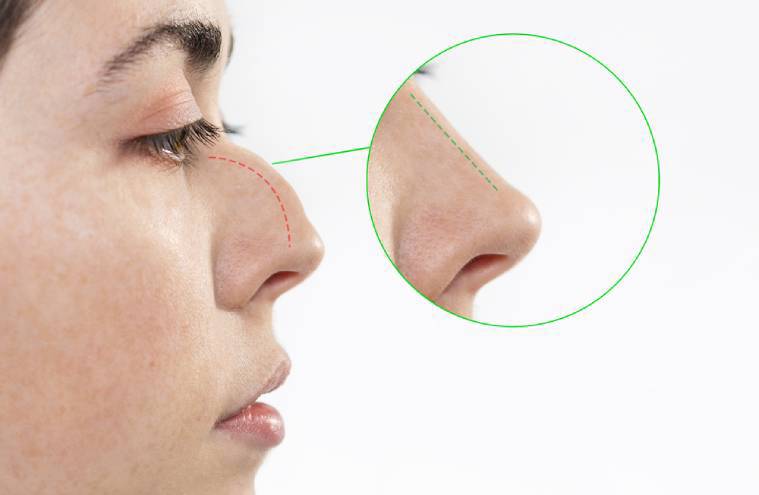
Dr. Kim and his team frequently address the following concerns using non-implant techniques:
Smoothing nasal humps with dermal fillers or cartilage grafts
Refining nasal tips that appear overly rounded or droop downward
Enhancing bridge height in patients with flatter nasal profiles
Correcting asymmetry through strategic volume placement
Straightening mildly crooked noses to improve facial symmetry
The technique excels in enhancing balance between facial features, especially when performed in conjunction with procedures such as chin augmentation or buccal fat reduction for overall facial harmony.
Two Tailored Techniques: Cartilage Grafts vs. Fillers
Autologous Cartilage Rhinoplasty
Cartilage is gently harvested from the patient’s ear (auricular) or rib (costal).
Grafts are artistically sculpted and placed to refine nasal shape.
Offers stable, long-term outcomes that resist shifting over time.
Preferred for patients desiring a permanent solution without foreign materials.
Dr. Kim’s technique focuses on meticulous shaping and integration of cartilage. The use of fine suturing methods ensures the graft maintains its position, even in active patients or those with expressive facial features.
Injectable Filler Rhinoplasty
Hyaluronic acid fillers are injected to contour or elevate specific areas.
Results appear immediately and last 6–18 months depending on the product used.
Minimal downtime; most patients resume normal activities the same day.
Reversible with hyaluronidase enzyme if needed.
This option is increasingly popular among patients exploring aesthetic changes for the first time. It allows them to visualize and experience facial balance before deciding on permanent intervention.
What to Expect During Recovery
Cartilage-Based Rhinoplasty
Mild swelling and bruising may occur, particularly near donor sites.
Most patients resume light activities within a week.
Final results evolve over several months as swelling subsides.
Incision sites, especially behind the ear, typically heal discreetly.
A pressure dressing or gentle tape may be applied for a few days to support the graft's integration. Dr. Kim advises patients to avoid wearing glasses or applying pressure to the nose for at least two weeks.
Filler-Based Procedures
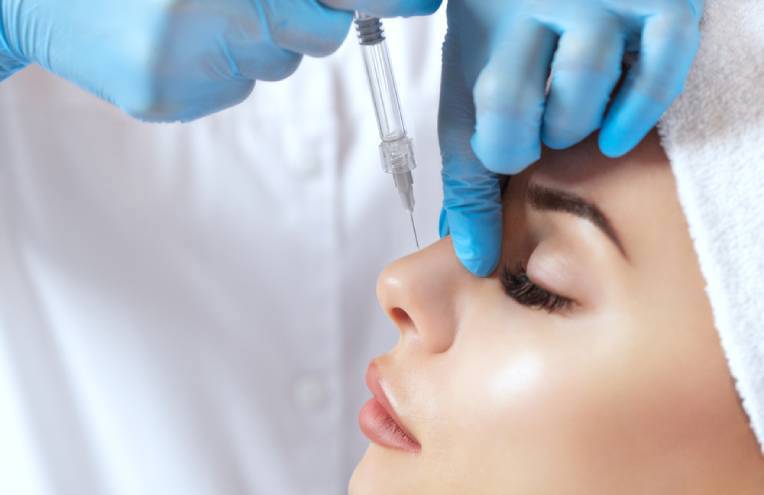
Quick, in-office treatment with minimal discomfort.
Swelling or redness typically resolves within 2–3 days.
Touch-ups can maintain or adjust results over time.
Patients are encouraged to avoid strenuous exercise and heat exposure for 24–48 hours post-treatment to reduce the risk of swelling or filler migration.
Are There Any Risks?
While non-implant rhinoplasty carries fewer risks than surgical alternatives, it’s not without considerations:
Filler migration or unevenness, if not expertly placed
Temporary results requiring maintenance (for fillers)
Mild swelling, bruising, or discomfort
Rare complications such as vascular occlusion from filler injection
Less effective for major structural corrections
Choosing an experienced surgeon like Dr. Kim is essential to minimize risks and ensure precise, symmetrical outcomes. Ultrasound-guided filler techniques and sterile environments further reduce complication rates.
Why Choose Kowon Plastic Surgery?
World-Class Expertise: Dr. Kim Hyung Taek has over 19 years of experience and is internationally recognized for his innovations in autologous rhinoplasty. He lectures globally on cartilage-based techniques and has published multiple peer-reviewed papers in aesthetic journals.
Personalized Aesthetics: Every treatment is planned based on facial balance, cultural preferences, and the patient’s unique anatomy. Digital simulations during consultation help patients visualize potential outcomes.
Trusted by Global Patients: Kowon offers multilingual support, online consultations, and full concierge services for international clients, including airport transfers, accommodations, and postoperative care coordination.
One patient from Singapore shared: "Dr. Kim didn’t try to oversell. He helped me understand what would enhance my features, not change them. The results were so natural, even my family didn’t realize I had anything done—just that I looked better."
Frequently Asked Questions
How long do results last?
Cartilage-based changes are permanent.
Fillers last 6–18 months depending on the product and individual metabolism.
Is there pain involved?
Procedures are generally well-tolerated. Cartilage grafts are performed with measures to ensure patient comfort, while fillers are typically applied with a topical numbing approach to minimize discomfort.
Can this procedure fix breathing problems?
No. Non-implant rhinoplasty is cosmetic. Structural or functional issues require traditional surgical intervention.
What’s the cost?
Typically lower than implant-based or full surgical rhinoplasty. Cost varies by method, material used, and surgeon’s expertise.
Is the procedure reversible?
Filler rhinoplasty is fully reversible with hyaluronidase. Cartilage-based changes are permanent but can be revised surgically if needed.
How soon can I return to work?
Most filler patients return the same day. Cartilage patients may return within 5–7 days depending on bruising and swelling.
A Natural Look with Modern Precision
Non-implant rhinoplasty isn’t about transforming your face—it’s about highlighting what’s already beautiful. Whether you’re looking to smooth a bump, lift a tip, or restore symmetry, this technique offers a safe, sophisticated path to refinement.
With rapid recovery times, customizable options, and minimal invasiveness, non-implant rhinoplasty represents the future of cosmetic nasal enhancement—especially in centers like Kowon Plastic Surgery where precision and artistry converge.
To explore your options or schedule a consultation, visit Kowon Plastic Surgery online. With the right surgeon, subtle changes can make a profound difference.