Plastic Surgery
What’s the Best Type of Nose Job for First-Timers?


A surgeon’s perspective from Seoul’s aesthetic heart — by Kowon Plastic Surgery
If you’ve never had nose surgery before, the idea can feel exciting, intimidating, and filled with questions — all at once.
What shape will suit your face? Will it still look natural? How do you avoid the "done" look?
And perhaps the biggest one: What’s the best type of rhinoplasty for someone doing it for the first time?
Let’s unpack that — not with generic advice, but from the real-world lens of thousands of patients who’ve walked into our Gangnam clinic with the same question. As specialists in primary and revision rhinoplasty, we’ve seen firsthand how choosing the right first surgery makes all the difference — not just in appearance, but in long-term function and satisfaction.
The First-Time Rhinoplasty Dilemma: Less About Trends, More About Foundations
The nose isn’t just a decorative center point — it’s a structural foundation and a breathing organ. If a nose is sculpted without regard for its internal framework or airway health, you may get temporary aesthetic results but long-term issues like collapse, implant visibility, or difficulty breathing.
This is why at Kowon Plastic Surgery, we often tell first-time patients:
“Your first rhinoplasty should be your last.”
That doesn’t mean it has to be dramatic. In fact, subtle, structure-respecting changes are often the most enduring and natural.
So What Is the Best Type of Nose Job for a First-Timer?
The best approach for a first-time rhinoplasty is one that prioritizes natural structure, long-term stability, and personalized design — not a one-size-fits-all method or a cookie-cutter implant.
Here’s what that often looks like in our clinic:
1. Implant-Free Structural Rhinoplasty (Using Your Own Cartilage)
For first-time patients, especially those seeking natural-looking results that age well, we often recommend autologous cartilage rhinoplasty — typically using septal or ear cartilage.
Why?
Your body recognizes your own tissue — lowering risk of rejection or infection.
Structural cartilage allows for subtle refinement while preserving or improving function.
It avoids the long-term complications of synthetic implants (like silicone or Gore-Tex), which may shift, extrude, or thin the skin over time.
Dr. Kim Hyung Taek, our lead surgeon at Kowon, explains:
“A natural-looking nose starts with natural materials. When we use a patient’s own cartilage, we’re not just sculpting — we’re reinforcing. We’re helping the nose breathe, move, and age gracefully.”
This is especially critical for Asian rhinoplasty, where softer tissue and thicker skin require supportive internal work, not just superficial contouring.
2. Balanced, Not Overbuilt Design
What many don’t realize is that rhinoplasty isn’t just about making the nose smaller or sharper. For first-timers, a well-done nose job should:
Harmonize with your facial proportions
Respect your ethnic identity
Preserve or improve nasal function
We often use the metaphor of a musical instrument:
“You can’t just tune one string and expect the whole violin to sound right.”
The nose must be in balance with the chin, forehead, and even the eyes. A high nose bridge alone doesn’t make a nose beautiful — proportion and flow do.
This is why our clinic avoids excessive augmentation or trendy "celebrity noses." The best nose for you is the one that fits your face, not someone else’s.
3. Function-Preserving Techniques
We’ve seen countless patients come in for revision surgery because their first nose job left them with difficulty breathing, nasal valve collapse, or internal scarring.
That’s why we emphasize function-preserving surgery — even in aesthetic cases. For first-timers, this can involve:
Careful reshaping of cartilage without over-resection
Internal valve support using spreader grafts or septal extension grafts
Conservative, anatomy-aware adjustments
If you’ve never had nasal issues, the last thing you want is for your first surgery to create them.
4. Open vs. Closed Rhinoplasty: Which Is Better for First-Timers?
A common question we get:
“Should I do open or closed rhinoplasty?”
Here’s the truth:
Closed rhinoplasty (internal incisions) is less invasive but offers limited visibility.
Open rhinoplasty (with a small incision across the columella) gives full access to the nasal structure and is often preferred for precise, customized work — especially for first-time patients.
At Kowon, we typically recommend open rhinoplasty for primary cases where:
The patient has asymmetry
Structural changes are needed (bridge, tip, septum)
Long-term stability is a goal
The scar is minimal and often invisible after healing, and the benefits of precision far outweigh the minor tradeoff.
When Implants Are Used —What to Know
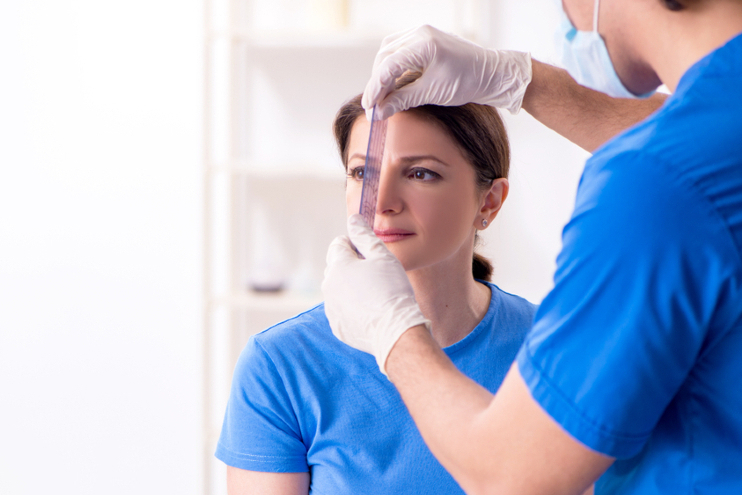
In some cases, particularly in patients with very low bridges or weak support structures, a carefully selected implant may still be appropriate — but it should be:
Placed deep, away from thin skin
Sized conservatively, to avoid unnatural protrusion
Balanced with cartilage grafts, for better integration
That said, our clinic has moved increasingly toward implant-free primary rhinoplasty because we’ve seen how natural cartilage gives more consistent, safer outcomes — especially over 10+ years.
Common First-Time Rhinoplasty Mistakes to Avoid
Rushing into surgery after seeing one before/after photo
Every nose and face is different. What suits one person may look completely out of place on another.
Choosing price over expertise
Cheap surgery can end up costing more when complications arise. First-time rhinoplasty is your best chance to get it right.
Not asking about function
A beautiful nose that can’t breathe is not a success. Ask your surgeon how they plan to preserve — or improve — airflow.
Why Your First Surgery Matters So Much
Revision rhinoplasty is more complex, less predictable, and often more expensive. Scar tissue, weakened support, and prior implants all limit your options.
That’s why we approach first-time rhinoplasty as preventive medicine:
If we do it well — with structure, proportion, and breathing in mind — there’s often no need for a second surgery.
So… What’s the Best Nose Job for You?

It depends on your anatomy, goals, and lifestyle. But here’s what we believe at Kowon Plastic Surgery:
The best first rhinoplasty is not the most extreme — it’s the most thoughtful.
It’s one that enhances your features, respects your breathing, and holds up for decades — not just months.
Final Takeaway: Make Your First Surgery Count
If you're considering rhinoplasty for the first time, choose a clinic that:
Specializes in natural, structure-preserving techniques
Offers personalized planning, not one-size-fits-all
Has a strong track record in both aesthetic and functional outcomes
At Kowon Plastic Surgery in Gangnam, we limit the number of surgeries each day to give every patient our full attention. Whether you need subtle refinement or foundational reshaping, our focus is always the same: safe, balanced, and breathable beauty.
Considering your first rhinoplasty?
Book a consultation with a surgeon who understands how to build something that lasts — beautifully and safely.
Reach out to Kowon Plastic Surgery today.