Revision Rhinoplasty
Remove foreign substances
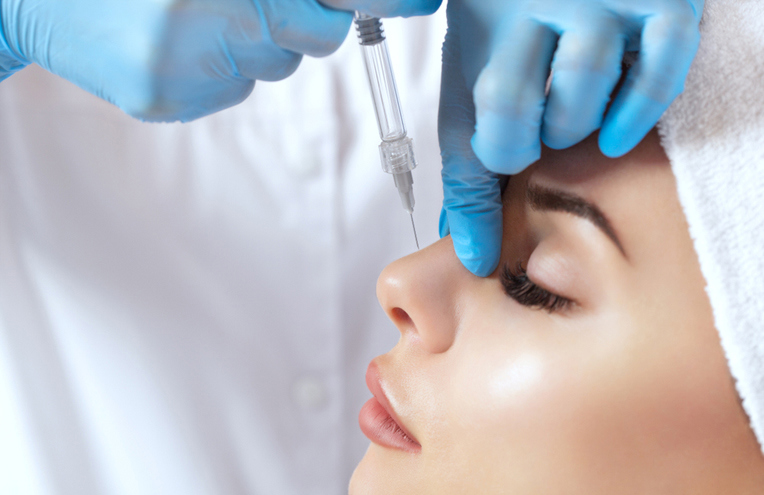
The use of unregulated substances like lagen, paraffin, and liquid silicone for nasal augmentation has surged in recent years, despite their dubious safety record. These substances may seem like a quick and inexpensive solution, but they come with severe consequences.

What Is Remove Foreign Substances in Revision Rhinoplasty?
Remove Foreign Substances in revision rhinoplasty is a specialized surgical procedure designed to eliminate previously injected fillers, artificial implants, or unknown materials from the nose. These substances may have been introduced during earlier cosmetic treatments and can sometimes result in irregular contours, chronic inflammation, functional concerns, or dissatisfaction with nasal shape. Over time, certain materials may shift or harden, making professional removal essential for both aesthetic and medical reasons.
The procedure focuses on safely extracting foreign materials while protecting surrounding tissues and preserving nasal structure. Surgeons conduct a thorough assessment using physical examination and imaging when necessary to identify the type, depth, and location of the material. This careful evaluation allows for precise surgical planning, reducing risks and ensuring that surrounding cartilage, skin, and internal support structures remain intact.
In many cases, removal is followed by structural refinement to restore natural contour and function. Surgeons may reshape cartilage, smooth irregularities, or reinforce weakened areas to achieve a balanced and stable nasal appearance. This combined approach helps maintain harmony with overall facial features while minimizing additional trauma and supporting proper healing.
Unlike primary rhinoplasty, this procedure emphasizes correction, restoration, and long-term stability rather than cosmetic enhancement alone. It is tailored for patients who require careful revision due to previous treatments, complications, or unsatisfactory outcomes. Personalized surgical strategies and attentive post-operative care play a key role in achieving safe, natural-looking, and functional results.

Who Needs Remove Foreign Substances Treatment in Revision Rhinoplasty?
Remove Foreign Substances revision rhinoplasty is recommended for patients experiencing complications or dissatisfaction after previous nasal procedures involving fillers or implants. It supports both functional and aesthetic correction.
Patients often seek treatment when they notice persistent discomfort, visible irregularities, or changes in nasal structure over time. A detailed evaluation helps determine whether foreign materials are contributing to these concerns.
Ideal candidates include:
◆ Adults in their 20s–60s with prior nasal fillers or implants causing concerns.
◆ Individuals experiencing inflammation, hardness, or discomfort in the nose.
◆ Patients with asymmetry or irregular nasal contours after previous procedures.
◆ Those seeking natural nasal structure after dissolvable or permanent filler use.
◆ Individuals concerned about migration or long-term effects of injected materials.
◆ Patients wanting safe removal before undergoing corrective rhinoplasty.
◆ Individuals who prefer professional surgical removal rather than temporary fixes.
Patients benefit most when they seek evaluation early after noticing changes or complications.
Meet the Specialists in Revision Rhinoplasty Remove Foreign Substances Procedures

Dr. Kim Hyeongtaek
Adjunct Professor of Plastic Surgery, M.D.
At Kowon Plastic Surgery, Remove Foreign Substances revision rhinoplasty is performed by a dedicated plastic surgery team focused on complex nasal correction and restoration.
Dr. Kim Hyeongtaek specializes in revision rhinoplasty procedures, including removal of foreign materials and structural nasal restoration. His clinical focus includes addressing complications from prior procedures and creating balanced, natural nasal contours.
Patients undergoing removal procedures require careful assessment and individualized planning. Dr. Kim’s experience in revision surgery supports precise removal techniques and comprehensive reconstruction when needed.
The specialist team follows a patient-centered approach, emphasizing safety, transparency, and realistic expectations. Every treatment plan is tailored to the patient’s anatomy and previous procedure history. Consultations include detailed discussions about surgical steps, healing timelines, and expected improvements. This structured approach ensures patients feel informed and supported throughout the process.
Remove Foreign Substances Treatment Areas and Expected Improvements in Revision Rhinoplasty
◆ Nasal Bridge and Dorsal Area : Removal of foreign substances from the bridge helps restore smoother contours, improve structural balance, and support natural dorsal lines.
◆ Nasal Tip and Cartilage Zones : Removing materials from the nasal tip restores flexibility, balanced shape, and proper cartilage support for a more natural appearance.
◆ Soft Tissue and Subcutaneous Layers : Extraction of migrated or uneven materials improves skin smoothness and reduces lumps, supporting gradual tissue recovery.
◆ Functional Nasal Structures : Removal may relieve obstruction or pressure affecting breathing, with structural support provided when needed to enhance airflow.
◆ Overall Nasal Symmetry and Natural Contour : The procedure focuses on restoring natural proportions, balanced contour, and facial harmony with realistic outcomes.
◆ Expected Improvements : Patients may notice smoother contours, improved comfort, and a more natural nasal shape. Results vary based on individual anatomy, prior treatments, and healing response.
Remove Foreign Substances Treatment Process and Timeline in Revision Rhinoplasty
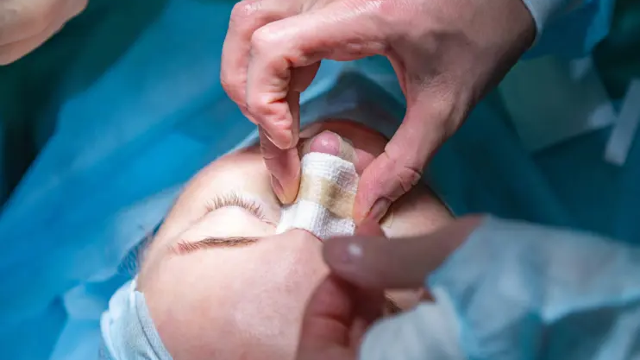
The Remove Foreign Substances procedure follows a structured clinical pathway designed for safety and precision. Each step ensures careful evaluation and personalized surgical planning.
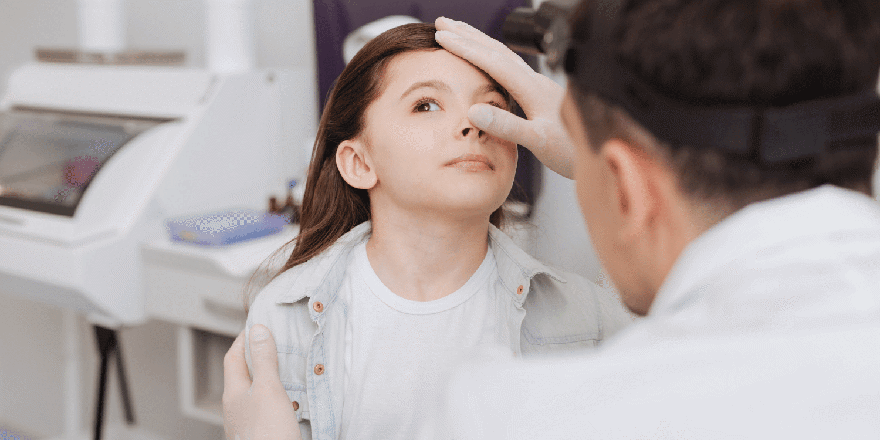
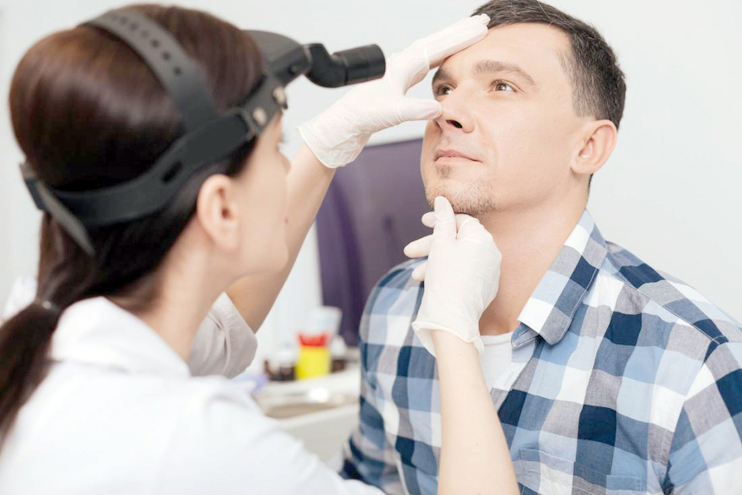
1. Consultation and Nasal Assessment : A detailed consultation evaluates previous procedures, materials used, and current concerns. Physical examination and imaging help determine the type and location of foreign substances.
2. Surgical Planning and Preparation : The surgeon designs a customized approach for removal and possible structural refinement. Planning includes incision methods and strategies to preserve nasal stability.
Patients receive guidance on preparation and recovery expectations before surgery.
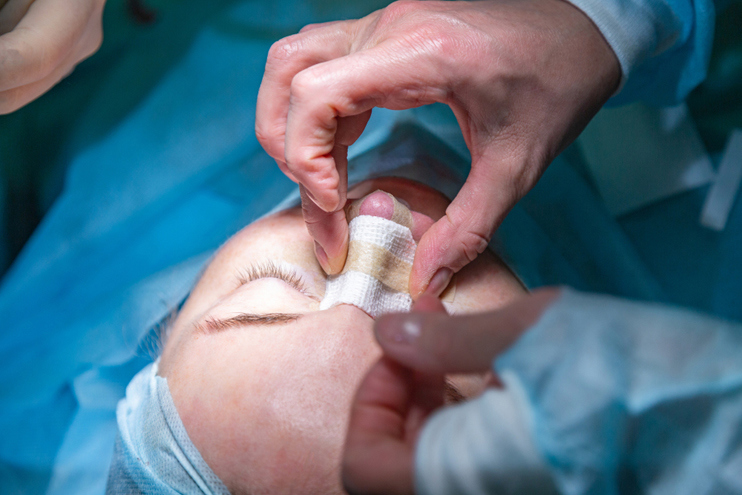
3. Remove Foreign Substances Procedure : During surgery, foreign materials are carefully located and removed using precise techniques. Internal approaches are commonly used to minimize visible scarring.
If needed, minor structural adjustments are performed to restore contour and function.
4. Immediate Post-Procedure Care : After surgery, patients rest in a monitored recovery setting. Mild swelling, bruising, or congestion may occur and gradually improve.
5. Follow-Up and Recovery Timeline : Follow-up visits allow the surgical team to monitor healing and address concerns. Swelling decreases over several weeks, and nasal shape stabilizes gradually.
Remove Foreign Substances Results, Safety, and Longevity in Revision Rhinoplasty
Remove Foreign Substances revision rhinoplasty aims to restore nasal comfort, structure, and appearance after previous procedures. Outcomes focus on safely eliminating problematic materials while preserving or rebuilding the nose’s natural contour and function rather than creating dramatic cosmetic change. The procedure is designed to improve both physical comfort and aesthetic harmony, particularly for patients experiencing irregularities, firmness, or inflammation caused by earlier treatments.
Safety is prioritized through comprehensive evaluation, careful surgical planning, and conservative techniques. Surgeons use precise removal methods to extract foreign materials while protecting surrounding tissue, cartilage, and skin integrity. Maintaining structural support is a key objective, ensuring that the nose remains stable and proportionate after removal and throughout the healing process.
Common side effects include temporary swelling, bruising, mild tenderness, or nasal sensitivity. These effects typically resolve gradually as healing progresses and tissues recover. Patients are provided with detailed aftercare instructions and scheduled follow-up assessments to monitor recovery and support optimal results. As with any surgical procedure, potential risks may include infection, bleeding, scar tissue formation, or delayed healing, although serious complications are uncommon when performed by experienced specialists.
Results vary depending on the type and amount of material removed, the condition of surrounding tissues, and individual healing response. In some cases, additional structural refinement may be recommended to further enhance stability and contour. Personalized treatment planning and post-operative guidance help support balanced, long-lasting outcomes and improved nasal comfort over time.
Why Choose Kowon Plastic Surgery for Remove Foreign Substances Revision Rhinoplasty?
Kowon Plastic Surgery provides specialized care for patients requiring removal of foreign substances and revision rhinoplasty correction. The clinic emphasizes precise surgical techniques and individualized planning.
Led by Dr. Kim Hyeongtaek, the team focuses on restoring both function and aesthetics following prior procedures. Each case is carefully evaluated to determine the safest and most effective removal approach.
Patients benefit from comprehensive care that includes consultation, surgery, and structured follow-up. This ensures clear communication and supportive recovery throughout the treatment journey.
Reasons patients choose Kowon Plastic Surgery:
◆ Expertise in revision rhinoplasty and foreign substance removal.
◆ Personalized surgical planning for complex nasal concerns.
◆ Focus on natural contour restoration and functional balance.
◆ Patient-centered care with detailed follow-up support.
Real Patient Examples of Remove Foreign Substances Revision Rhinoplasty
Filler Removal and Contour Restoration Patient, 30s
A patient in her 30s experienced an uneven nasal bridge and mild discomfort after previous filler injections created irregular contours over time. Revision rhinoplasty was performed to carefully remove the foreign filler material and restore a smoother, more natural nasal shape while preserving structural support. Following healing, the nasal bridge appeared more balanced and refined, with improved comfort and harmony with surrounding facial features, resulting in a subtle yet noticeable enhancement in overall appearance.
Implant Removal and Functional Improvement Patient, 40s
A patient in her 30s reported stiffness, asymmetry, and reduced comfort due to a prior nasal implant that affected both appearance and function. Through revision rhinoplasty, the implant was safely removed and structural refinement was performed to restore alignment and support natural nasal movement. As recovery progressed, the nose appeared more symmetrical and relaxed, breathing comfort improved, and the patient achieved a balanced, natural-looking result that enhanced both function and facial harmony.
These examples represent typical experiences. Individual outcomes vary based on anatomy and prior treatments.
Begin Your Remove Foreign Substances Revision Rhinoplasty Journey
Take the next step toward restoring natural nasal structure and comfort with Remove Foreign Substances revision rhinoplasty. A personalized consultation helps determine the safest and most effective approach for your unique needs.
Schedule your Remove Foreign Substances consultation today to receive a detailed nasal assessment, personalized surgical plan, and expert guidance on restoring comfort, structure, and natural appearance through specialized revision rhinoplasty care.
Call+82262427080 our appointment desk to speak directly with our patient coordination team and arrange your consultation with Dr. Kim Hyeongtaek for Remove Foreign Substances revision rhinoplasty.